
Not Glorified or Trivialized: Navigating Violence
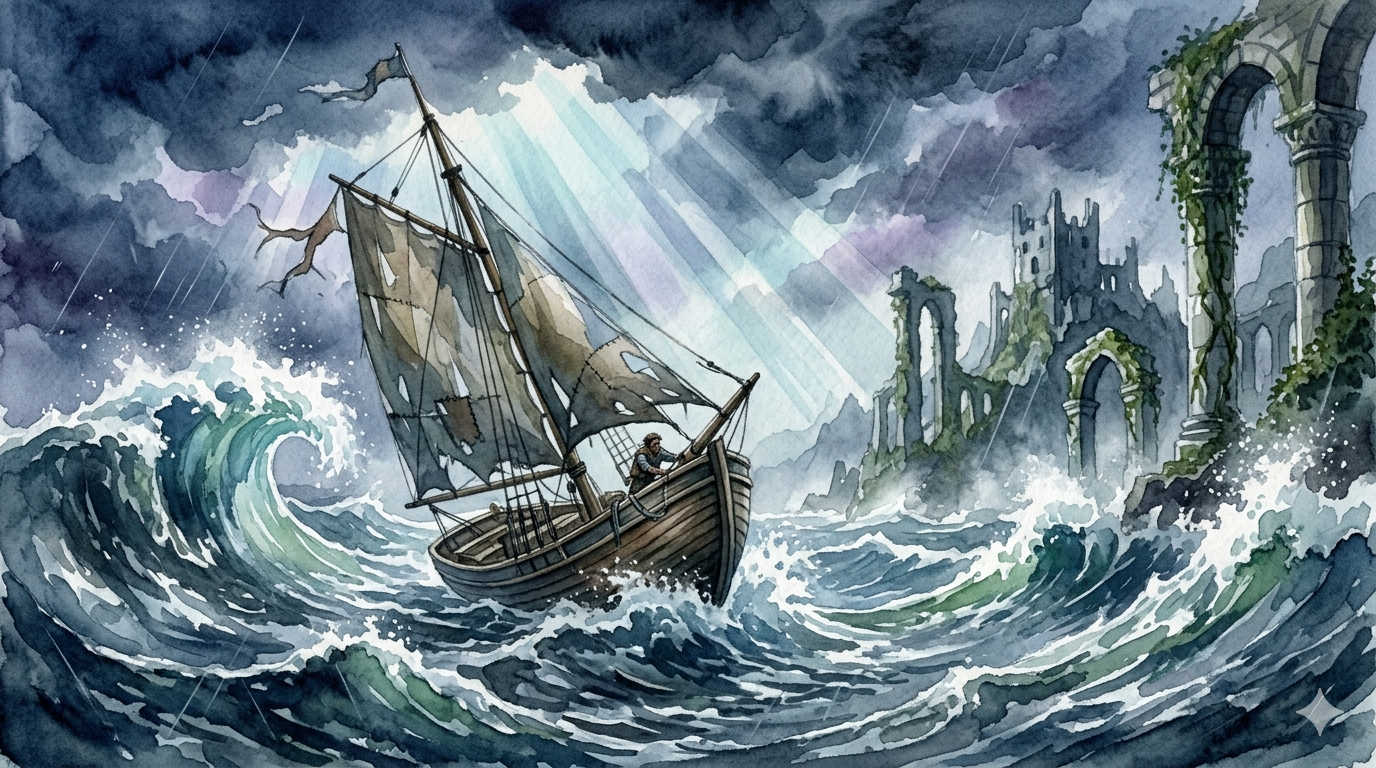
Physical fights and even warfare and murder are common in speculative fiction.
Is that just a depiction of violence, or can it slip into glorification?
Where’s the line, and how can we escape that lurking danger?
Maybe it’s worth taking a critical look at our tropes and conventions here. It is possible we’ve become so accustomed to certain patterns that we no longer even realize they are there. However, once we start questioning, we can help the genre evolve—just as we’ve done with other themes. Many works, for example, have successfully overturned stereotypes regarding skin color or gender, and proven along the way that the resulting stories are just as compelling as any old ones have ever been. We could do that and more with the depiction of violence, perhaps even drawing inspiration from the debates already underway.
Non-Sexualized Violence
For instance, sexualized violence in fiction has received a lot of in-depth analysis, and many of those insights could be transferred fairly easily to the depiction of violence in general.
Making Suffering Visible
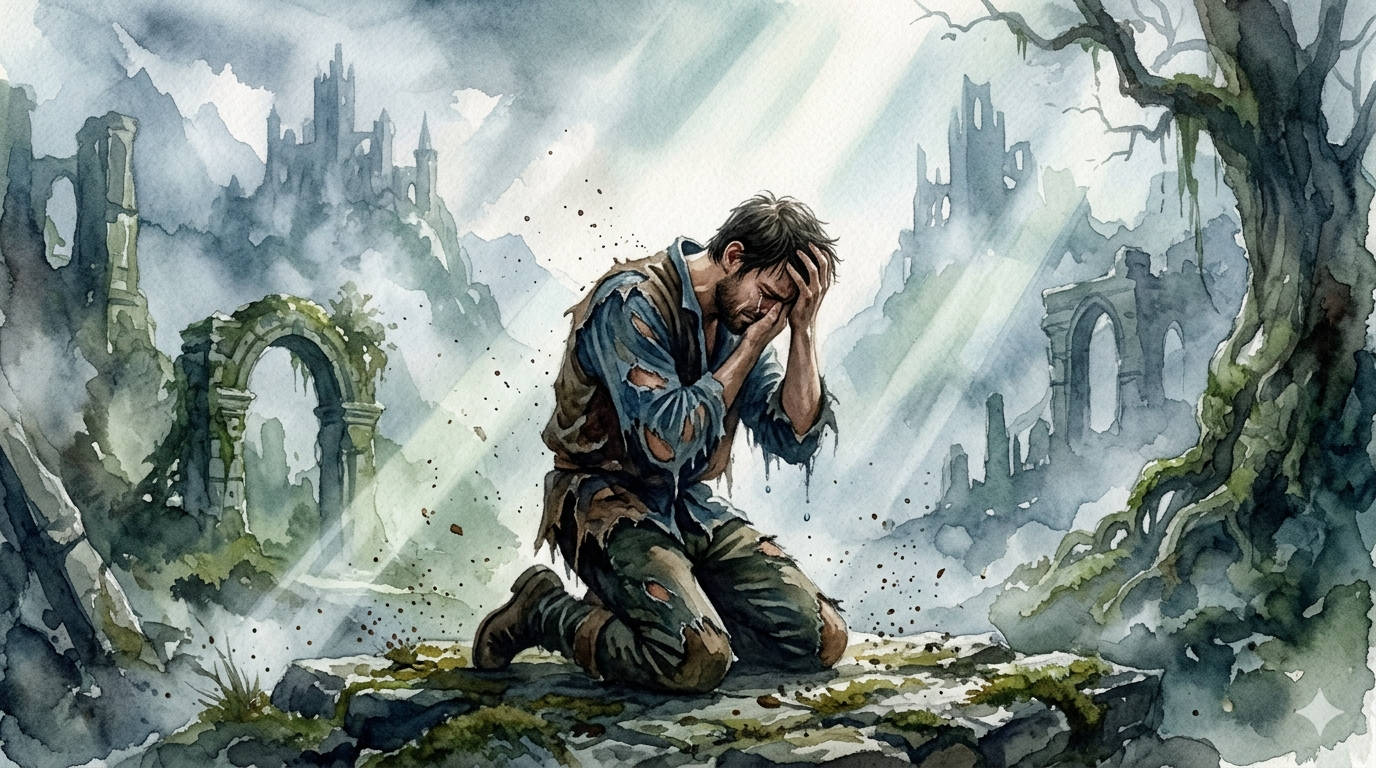
It’s important to be sensitive to context, though. For instance, describing how much suffering violent acts create can indeed be a way to foster compassion, but it can also do the opposite and just end up glorifying the perpetrators and their brutality.
Pain is often integrated into the glorifying tales. Think, for example, of war propaganda in the real world: The mother weeping at a soldier’s grave is part and parcel of the myth, and only serves to make it more attractive.
Likewise, consider a novel that describes rape in vivid, harrowing detail: that might only heighten the intensity and the impact of that scene.
So the mere fact that pain and suffering are depicted at length does not tell us whether or not the work glorifies violence or not.
It's Only the Villains
Even when acts of violence are committed “only by the bad guys,” we need to look very closely what that means. Perhaps the brutality truly does come across as repulsive that way—or perhaps the narrative just plays into some kind of subtle allure of the villains, making their darkness ultimately enticing.
It's Only the Heroes
And what if violence is committed “only by the good guys” for a righteous cause? In the real world, this is of course the most common justification for violence. From individual killers to warring nations, everyone claims they are only acting in self-defense, righting past wrongs, or pursuing a cause so true that any means are justified.
I believe many of these reasons are often really there—almost everyone has been wronged or hurt in the past, for example. But whether new brutality should follow old wounds or whether there are better paths forward, is another question entirely. Speculative fiction gives us every opportunity to explore how things could be different.
(check out a good example here)
Questions and Pointers
to help us consider whether a work glorifies or trivializes violence:
Try this with your last book or movie!
– Do the main characters use violence?
If so, does this make them more interesting to readers?
– Do characters gain fame, honor, friendships, or romantic relationships as a result of their violence?
Or are they questioned or condemned by others for their actions?
Do they themselves feel guilt or remorse?
– Is violence used as a thrill to keep readers hooked?
– What happens to characters who reject violence and refuse to use it?
Do such characters even exist in the story?
– Can characters successfully solve problems using violent means?
Can characters successfully solve problems using non-violent means?
How often do non-violent approaches even appear?
– Do acts of violence feel justified or satisfying?
– Is violence portrayed as a kind of sport, game, or fun competition? As a test of courage, a rite of passage?
– Does the music swell? (in movies, or in the emotional tone of a book?)
PS. For Humanoid Beings
like orcs, zombies, or aliens, the same considerations apply. German law, in fact, reflects this, and those legal definitions of “glorifying or trivializing violence” might serve as our lowest bar—a level below which we will never sink, but may very well evolve beyond.
more on relevant legal debates and German law here
Recommendations
A wonderful example of how common science fiction tropes on violence can be invoked and then subverted is Becky Chambers’ novel The Long Way to a Small, Angry Planet.
For a sensuous, poetic fantasy tale you may also try my novel The Starlight of Shadows.

And: Let’s talk about it! I look forward to hearing from readers and writers. Get in touch
and / or subscribe to my newsletter here: